


Eating a balanced diet rich in nutrient-dense foods is crucial for maintaining overall health and well-being. Incorporating the healthiest foods into your daily meals can provide essential vitamins, minerals, and antioxidants that support energy production, improve digestion, and promote long-term health.

By making informed food choices, you can take control of your health and enjoy the benefits of a balanced diet. The right foods can help boost your energy levels, support your immune system, and even contribute to a longer, healthier life.
Key Takeaways
- Incorporating healthy foods into your diet can boost energy and support overall health.
- A balanced diet rich in nutrients is essential for maintaining well-being.
- The top healthiest foods provide essential vitamins, minerals, and antioxidants.
- Making informed food choices can help you take control of your health.
- A healthy diet supports immune function and promotes long-term health.
Why Daily Food Choices Matter for Your Health
Your daily diet is the foundation of your overall health, providing the necessary nutrients for optimal bodily functions. The choices you make about what to eat every day can significantly influence your energy levels, weight management, and long-term health outcomes. By focusing on nutrient-rich foods, you can support your body’s needs and potentially reduce the risk of chronic diseases.
The Impact of Consistent Nutrition on Your Body
Consistent nutrition plays a vital role in maintaining your bodily functions. Eating a balanced diet daily ensures that your body gets the necessary building blocks for optimal health. This includes:
- Supporting immune health: Nutrient-dense foods help your immune system function properly.
- Maintaining energy levels: The right balance of nutrients supports sustained energy throughout the day.
- Reducing disease risk: A diet rich in essential nutrients can lower the risk of chronic diseases.
How Nutrient-Dense Foods Support Long-Term Wellness
Nutrient-dense foods, including fruits, vegetables, whole grains, lean proteins, and healthy fats, are crucial for long-term wellness. These foods provide:
- Vitamins and minerals essential for various bodily functions.
- Antioxidants that help protect cells from damage.
- Fiber that supports digestive health and satiety.
By incorporating these foods into your daily diet, you can support your overall health and well-being, potentially enhancing your quality of life.
Top 10 Healthiest Foods You Should Eat Every Day
Making informed food choices daily can have a profound impact on your health and longevity. Incorporating essential daily foods into your diet can significantly enhance your overall well-being. Here are the top healthiest foods you should consider including in your daily meals.

1. Leafy Greens: Nature’s Multivitamin
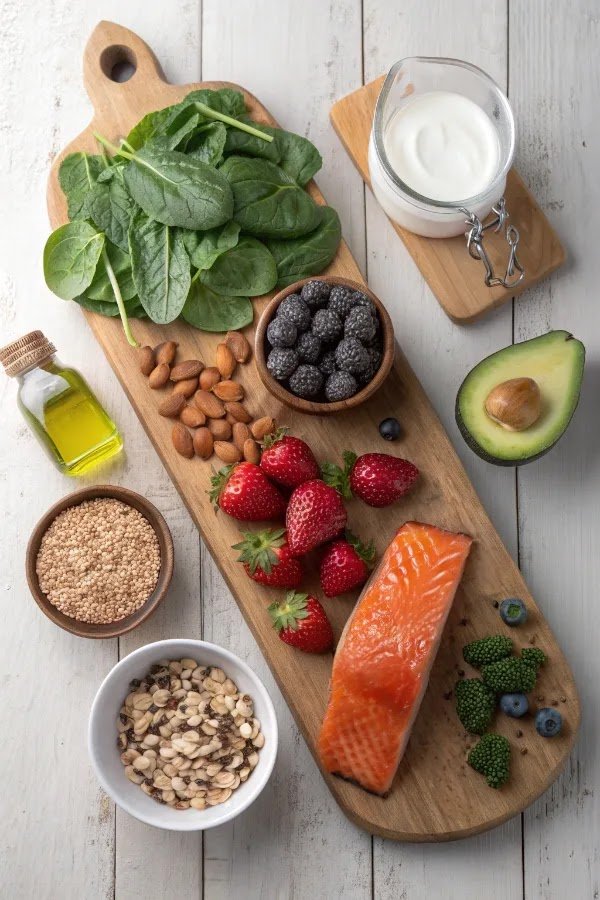
Leafy greens like spinach, kale, and collard greens are packed with vitamins A, C, and K, along with minerals such as calcium and iron. These nutrient-dense foods support eye health, boost your immune system, and may reduce the risk of certain cancers. You can easily add them to your salads, smoothies, or sauté them as a side dish.
2. Berries: Antioxidant Powerhouses
Berries, including blueberries, strawberries, and raspberries, are rich in antioxidants, fiber, and vitamins. They help in fighting oxidative stress, improving heart health, and supporting cognitive function. Enjoy them as a snack, add to your oatmeal, or blend into a nutritious smoothie.
3. Fatty Fish: Essential Omega-3 Source
4. Nuts and Seeds: Protein-Packed Energy Boosters
Nuts and seeds like almonds, chia seeds, and flaxseeds are not only good sources of protein but also rich in healthy fats and fiber. They can help in managing weight, supporting heart health, and providing sustained energy. Snack on them, add to your yogurt, or use in baking.
5. Whole Grains: Sustained Energy Release
6. Legumes: Plant-Based Protein Champions
7. Yogurt: Probiotic Gut Health Supporter
8. Cruciferous Vegetables: Immune-Boosting and Detoxifying Vegetables
9. Avocados: Heart-Healthy Fats
Avocados are packed with monounsaturated fats that support heart health and help reduce bad cholesterol. They also provide fiber, potassium, and antioxidants that aid in regulating blood pressure and promoting healthy skin. Their creamy texture makes them perfect for smoothies, salads, or whole-grain toast. Eating avocados regularly may enhance nutrient absorption from other foods and keep you full longer. Although they’re calorie-dense, the fats in avocados are beneficial for energy and brain function. Including half an avocado a day is a delicious way to boost both flavor and nutrition in your diet.
10. Olive Oil: Mediterranean Diet Staple
By incorporating these must-have nutritious foods into your daily diet, you’re taking a significant step towards a healthier lifestyle.
Simple Ways to Incorporate These Foods Into Your Daily Diet
Transforming your diet to include healthier options can be achieved with minimal effort. By making a few simple changes to your daily meals, you can significantly improve your overall health and wellbeing.
Breakfast Ideas That Include Multiple Superfoods
Smart Snacking with Nutrient-Dense Options
Snacking is an opportunity to add more nutrients to your diet. Choose nutrient-dense snacks like a handful of almonds, carrot sticks with hummus, or apple slices with peanut butter.
For a more substantial snack, prepare a trail mix with a combination of nuts, seeds, and dried fruits. This snack is not only convenient but also rich in healthy fats, protein, and fiber.
Meal Prep Strategies for Consistent Healthy Eating
Meal preparation is a key strategy for maintaining a healthy diet. Set aside time each week to plan and prepare your meals. Cook in bulk and portion out individual servings to grab on the go.
Consider preparing a weekly salad jar with layers of greens, vegetables, lean proteins, and whole grains. This makes for a quick and easy lunch that can be customized daily.
By incorporating these healthy eating tips and making the best foods for a healthy diet a staple in your daily meals, you’ll be well on your way to achieving optimal nutrition and enjoying the benefits of a balanced diet rich in daily superfoods.
Easy Substitutions When Your Favorites Aren’t Available
Maintaining a consistent intake of nutrient-rich foods doesn’t mean you have to eat the same things every day; there are plenty of easy substitutions to keep your diet fresh. When your favorite healthy foods are not available, you can still achieve your nutritional goals by choosing alternative foods with similar nutritional profiles.
Seasonal Alternatives with Similar Nutritional Profiles
You can easily substitute your favorite seasonal foods with other nutrient-dense options that are available during different times of the year. For example:
- During winter, when fresh berries are out of season, you can opt for frozen berries or pomegranates, which are rich in antioxidants.
- In the summer, if leafy greens are scarce, you can choose zucchini or yellow squash as a good source of vitamins and minerals.
Budget-Friendly Options That Don’t Sacrifice Nutrition
Eating healthy doesn’t have to be expensive. You can find budget-friendly alternatives to your favorite nutrient-rich foods without compromising on nutritional value. For instance:
- Instead of buying pre-washed and pre-cut greens, you can purchase whole heads of lettuce or kale and prepare them at home.
- Choosing canned beans or lentils can be a cost-effective way to include protein and fiber in your diet.
By making these simple substitutions, you can maintain a balanced and nutritious diet without breaking the bank or compromising on flavor and nutrition.
Conclusion
Incorporating the top 10 healthiest foods into your daily diet can significantly impact your overall health and well-being. By making informed food choices and maintaining consistency in your dietary habits, you can support your long-term health and reduce the risk of chronic diseases. A balanced diet rich in nutrient-dense foods is essential for optimal nutrition.
To achieve this, you can start by making simple changes to your daily eating habits. Incorporate leafy greens, berries, and fatty fish into your meals, and choose nuts and seeds as healthy snacking options. By doing so, you’ll be taking a significant step towards a healthier lifestyle. The key is to be consistent and make healthy eating a sustainable part of your daily routine, following healthy eating tips that work for you.
By adopting these habits, you’ll not only improve your overall health but also enhance your energy levels and support your body’s nutritional needs. Eating the top 10 healthiest foods you should eat every day can become a rewarding experience, leading to a healthier, happier you.
A List of 50 Super Healthy Foods





These are great tips! I do need to add more fish to my diet. I need to find different ways of cooking it as I'm not a huge fan of the taste.
I understand! Trying new seasonings or baking it with herbs can really improve the flavor. Hope you find a style you enjoy!
This is a great post. You've inspired me mix up my meals and focus on nutrient-rich options. I'm looking forward to trying a few of these in my weekly meal prep!
So glad it inspired you! Hope your weekly meal prep turns out delicious and energizing.